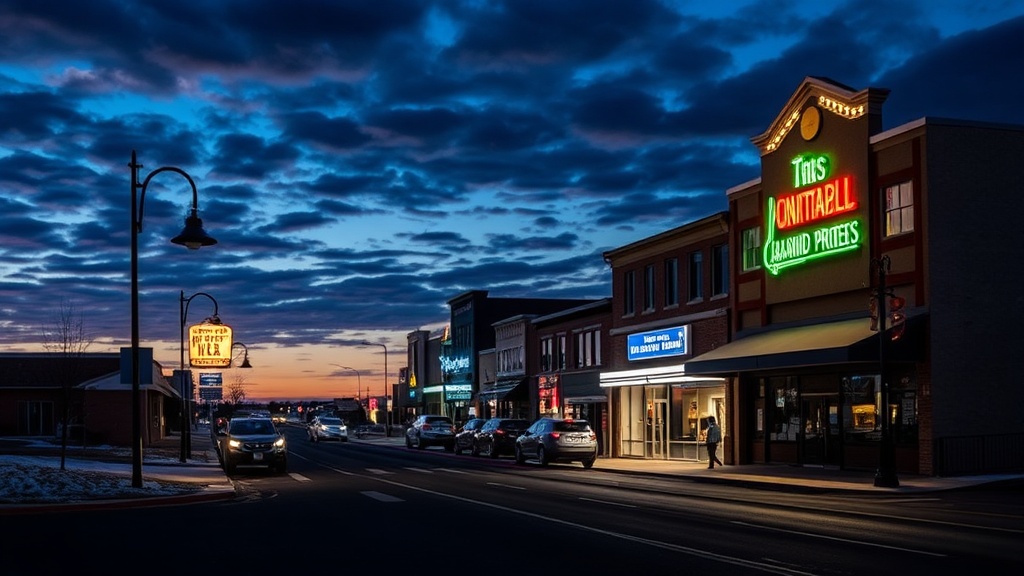
The Real Local’s Guide to Living in Grande Prairie: What Actually Matters Day to Day

If you’re moving to Grande Prairie—or even if you’ve been here a while and still feel like you’re figuring it out—this is the guide people wish someone handed them early on. No fluff, no tourism brochure tone. Just what actually matters when you live here day to day.
Understanding Grande Prairie’s Rhythm
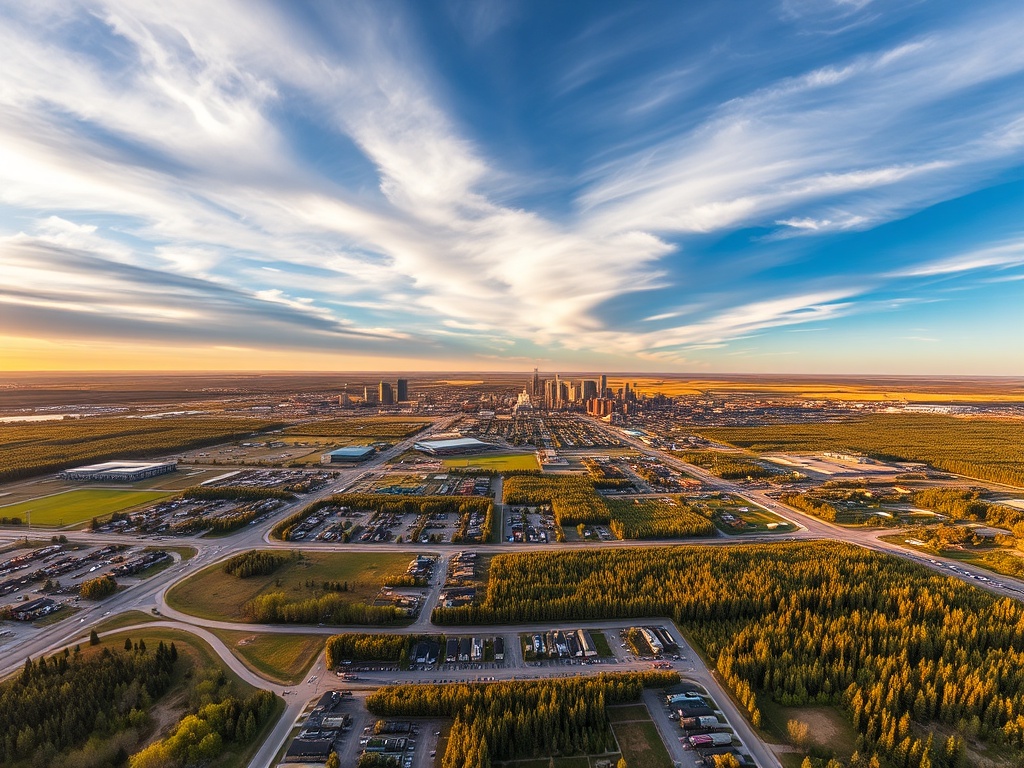
Grande Prairie doesn’t move like Calgary or Edmonton. That’s the first adjustment. Things are spread out, people drive everywhere, and life runs on a quieter, more practical rhythm.
The city’s energy is tied closely to industry—oil, gas, forestry, and agriculture. That means boom-and-bust cycles affect everything from rental prices to how busy restaurants feel on a Friday night.
But here’s the upside: when things are stable, the quality of life is hard to beat. Less traffic, more space, and a community that still feels connected.
Choosing the Right Neighbourhood
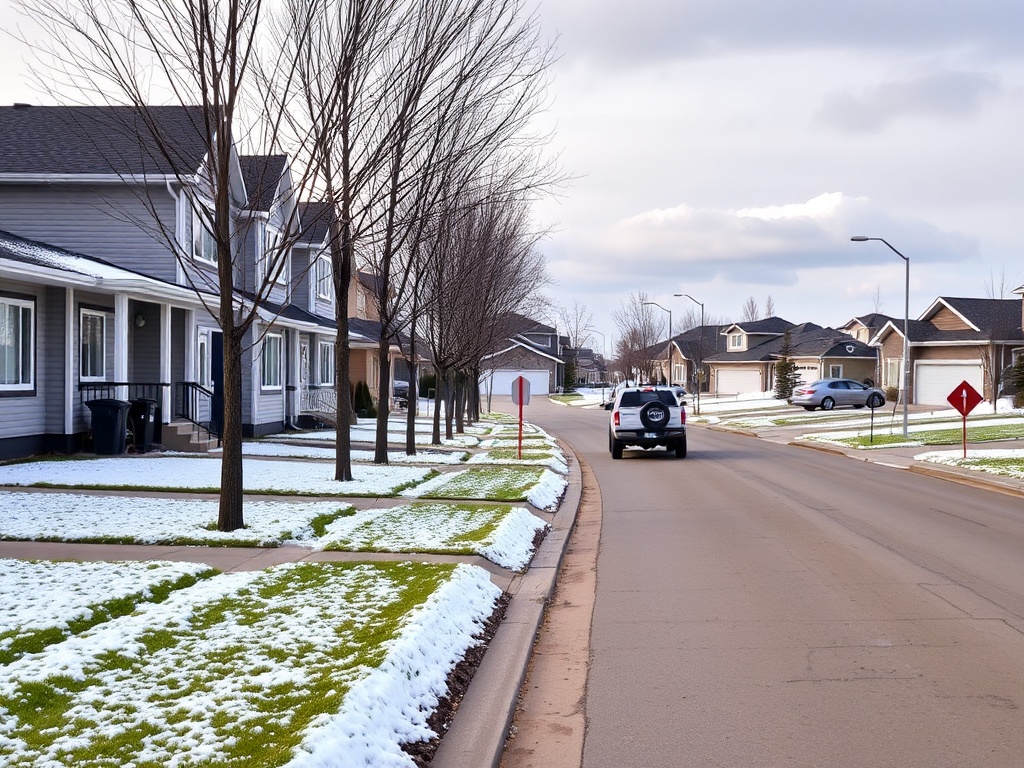
Where you live in Grande Prairie matters more than you think—not because of status, but because of convenience.
- Southside: Newer builds, close to big retail, easier commuting.
- Northside: Older homes, more affordable, closer to downtown.
- Westgate / O’Brien Lake: Family-heavy, quieter streets, newer developments.
- Downtown: Walkable (by GP standards), but less residential comfort.
The real question isn’t “what’s best?” It’s “how much do you want to drive every day?” That’s the deciding factor here.
Getting Around Without Losing Your Mind
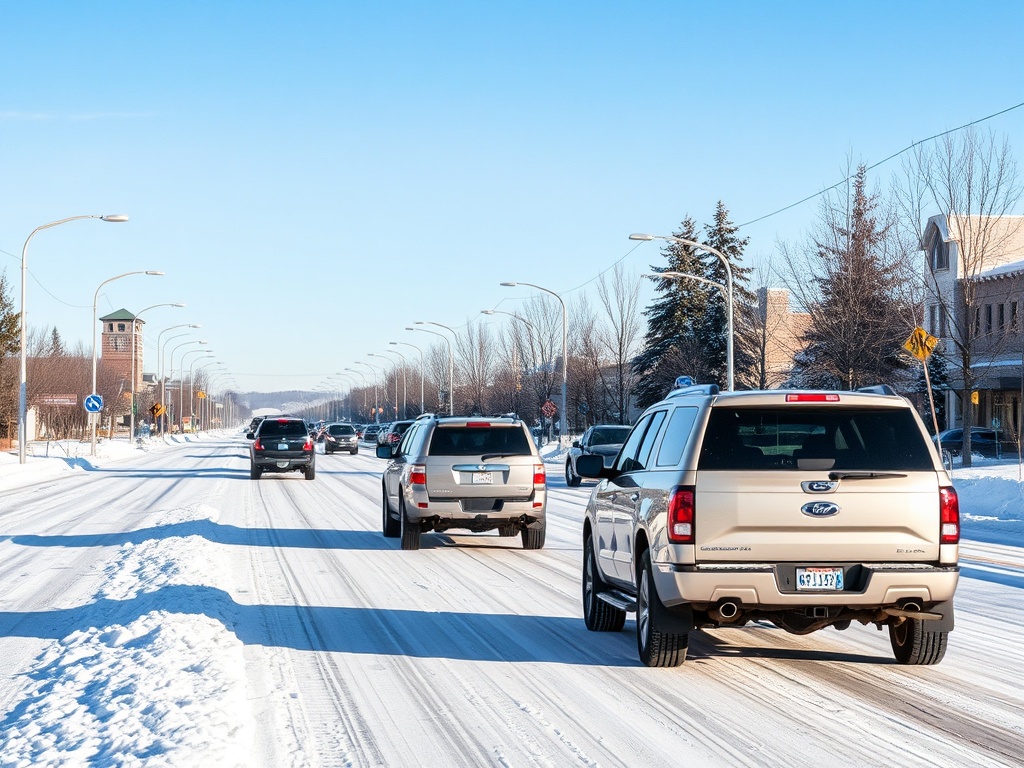
You need a car. Full stop. Public transit exists, but it won’t carry your lifestyle.
Winter driving is the real test. If you’re new to northern Alberta, expect:
- Long stretches of snow-packed roads
- Extreme cold affecting your vehicle
- Early darkness in winter months
Invest in proper winter tires and a block heater setup. Skip that, and your mornings will punish you.
Work, Income, and Reality Checks
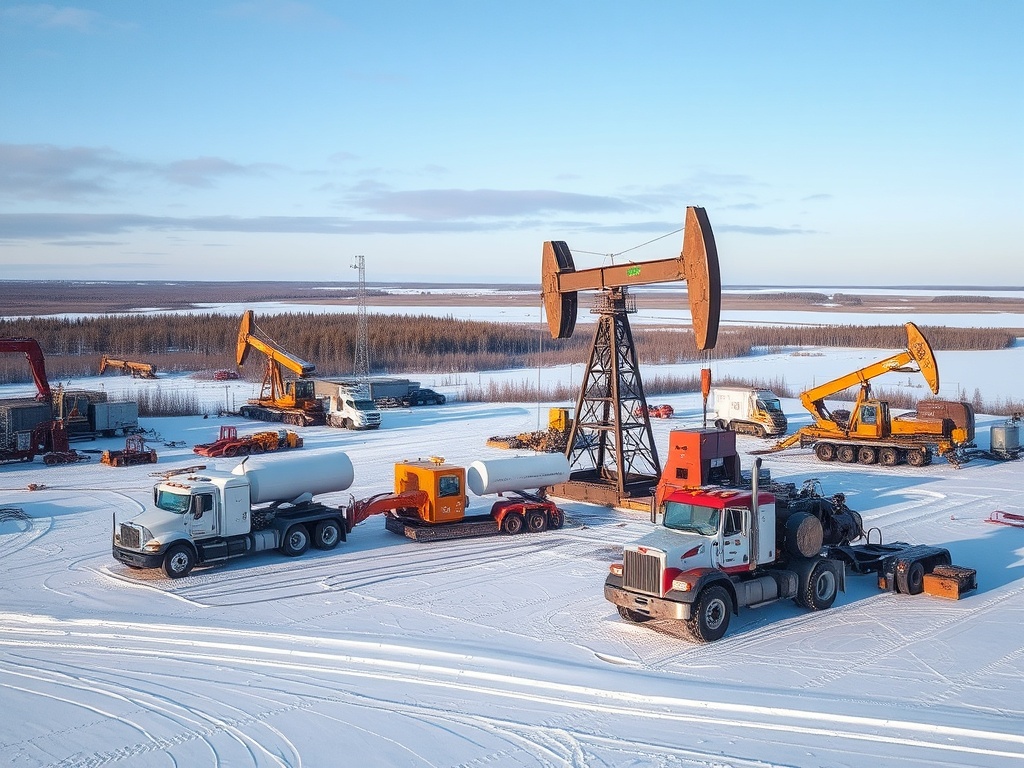
Grande Prairie has opportunity—but it’s not evenly distributed.
Trades, energy, and logistics dominate. If you’re in those fields, you’ll likely find strong wages. If you’re in niche office roles or creative work, expect a smaller market.
Remote work has changed things slightly, but not enough to fully shift the local economy.
The honest take: you come here for income potential or lifestyle simplicity—not for career variety.
Food Scene: Better Than Expected, Still Limited

Let’s be fair—the food scene has improved a lot.
You’ll find solid local spots, a growing number of independent restaurants, and enough variety to keep things interesting week to week.
But it’s not a foodie city. You’ll notice repetition after a while, and late-night options are limited.
The trick locals use: rotate your go-to spots and don’t expect constant novelty.
Winter: The Make-or-Break Factor
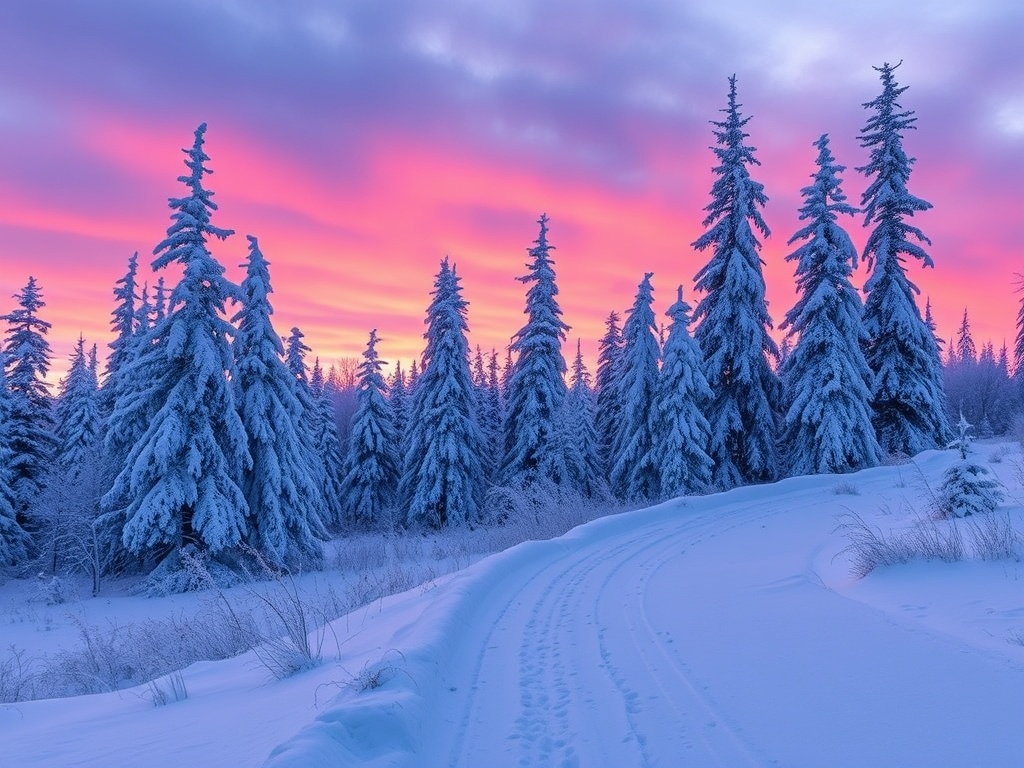
Winter here isn’t a season—it’s a lifestyle shift.
Temperatures regularly drop below -25°C. That changes how you plan your day, how long errands take, and how motivated you feel to leave the house.
People who thrive here do one thing differently: they lean into winter instead of fighting it.
- Snowshoeing and cross-country skiing
- Indoor fitness routines
- Social gatherings at home instead of going out
If you try to live like it’s Vancouver, you’ll burn out fast.
Summer: Why People Stay
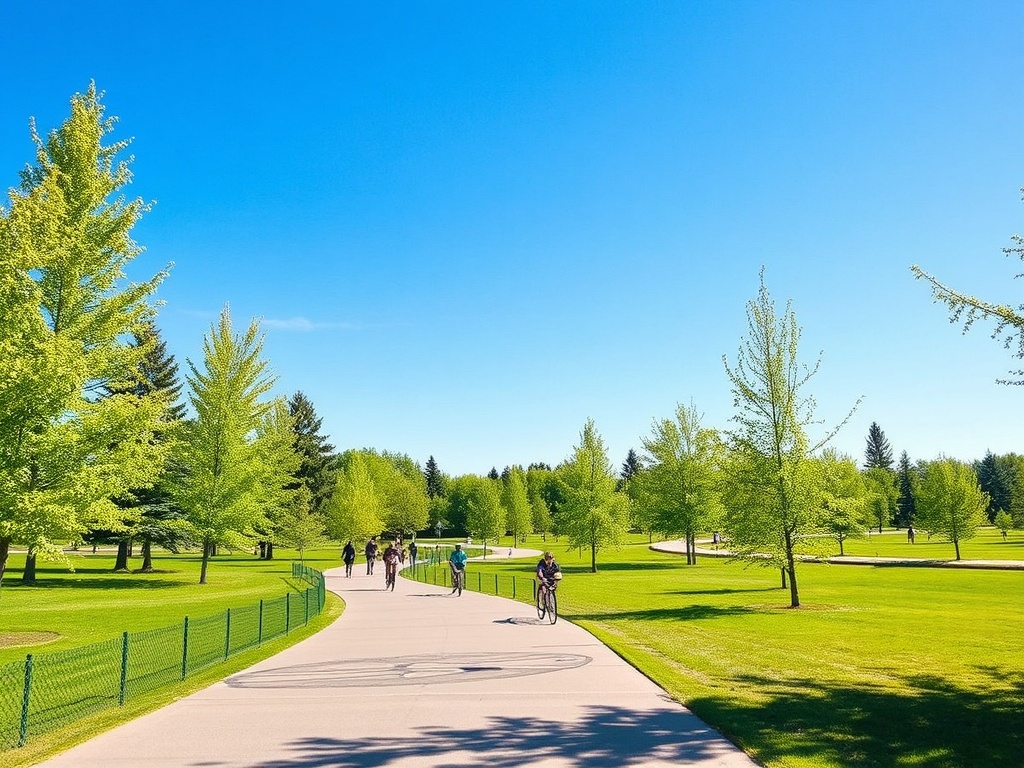
Summer flips everything.
Long daylight hours, warm evenings, and an actual sense of community energy. Parks fill up, patios feel alive, and the city becomes far more social.
Muskoseepi Park, in particular, becomes the unofficial center of everything.
This is when Grande Prairie makes the strongest case for itself.
Cost of Living: The Trade-Off Equation
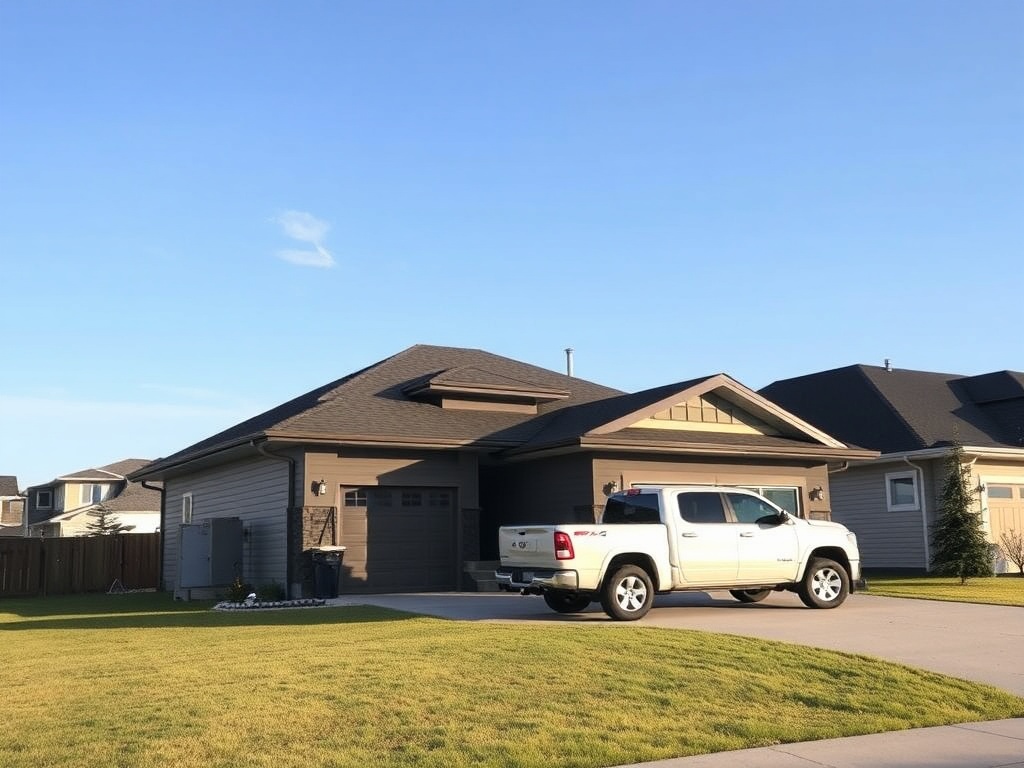
Housing is more affordable than major cities—but it’s not as cheap as people expect anymore.
You’re trading:
- Lower housing costs for
- Higher transportation dependence
- Fewer amenities
Utilities and groceries can also feel higher due to location.
The key is to think in terms of total lifestyle cost, not just rent or mortgage.
Building a Social Life (Without Feeling Isolated)
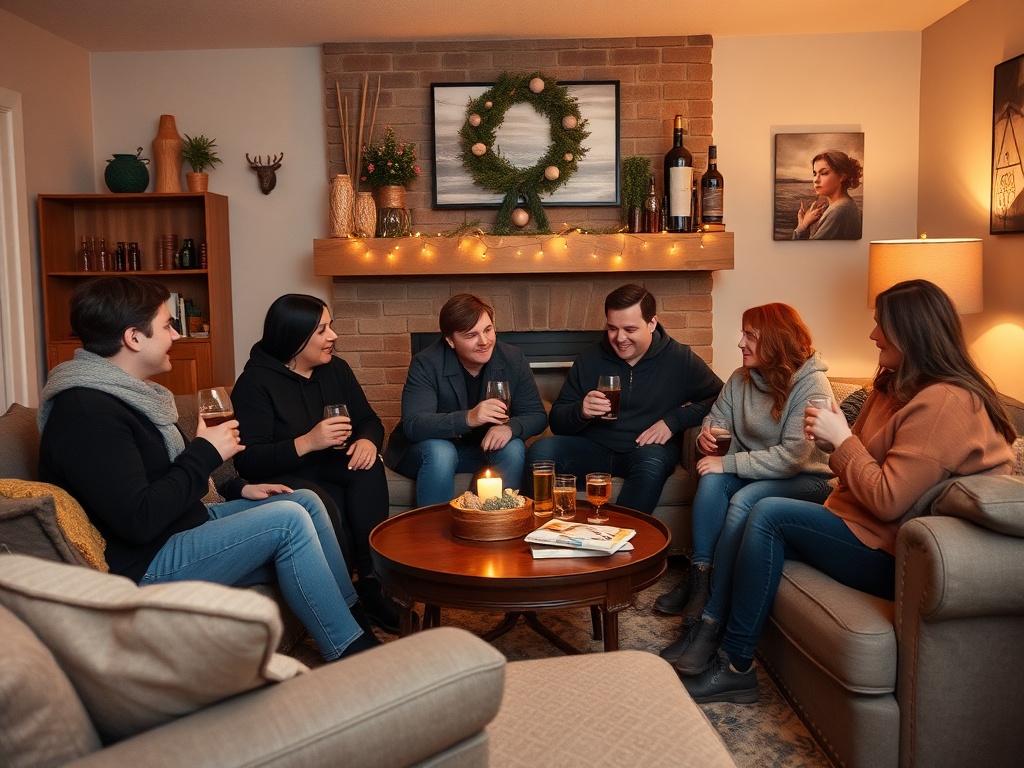
This is where newcomers struggle most.
Grande Prairie isn’t a “meet strangers every night” kind of place. Social circles are tighter, and friendships tend to form through:
- Work
- Sports leagues
- Community events
- Mutual connections
If you’re passive, it can feel isolating. If you’re proactive, it becomes surprisingly welcoming.
What People Get Wrong About Grande Prairie
A few common misconceptions:
- “There’s nothing to do.” There is—but you have to seek it out.
- “It’s temporary.” Many people come for a few years and stay decades.
- “It’s all industry.” That’s the backbone, but not the whole story.
The city rewards people who adapt to it instead of expecting it to behave like somewhere else.
Final Take: Who Thrives Here

Grande Prairie works best for people who value:
- Space over density
- Practical living over constant entertainment
- Community over anonymity
- Opportunity over variety
If that aligns with how you want to live, this place can feel like a smart move. If not, it can feel limiting fast.
That’s the honest trade-off—and knowing that upfront makes all the difference.