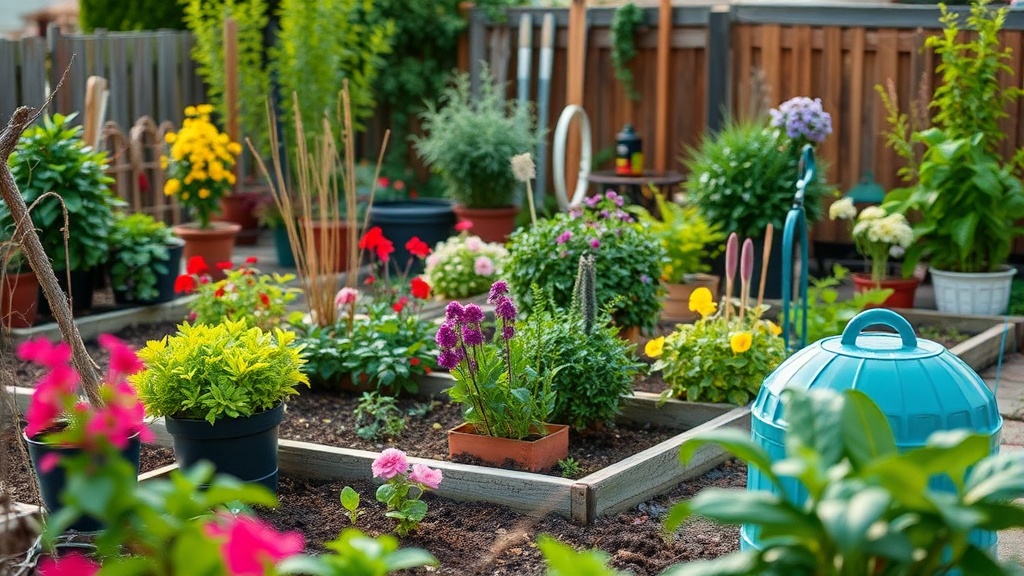
Setting Up a Successful Backyard Garden in the Peace Country

Have you ever wondered why your neighbor’s tomatoes look like they belong in a magazine while yours struggle to survive a single frost? Gardening in the Peace Country isn't about working harder; it's about working with our specific, short growing season and unpredictable weather patterns. This guide breaks down the exact steps you need to take to prepare your soil, select the right varieties, and protect your crops from the sudden temperature swings common in Northern Alberta. We'll look at the timing, the tools, and the specific local challenges that make gardening in the Grande Prairie area a unique endeavor.
What is the best time to start a garden in Northern Alberta?
The best time to start your garden depends entirely on whether you are starting seeds indoors or transplanting them outside, but for most of us in the Peace Country, mid-to-late May is the real starting line. You can't just go out and plant your seedlings the moment the snow melts. Our frost-free date is often much later than the rest of Canada—sometimes not until the first week of June.
If you're starting seeds indoors, you'll want to begin in late March or early April. This gives your plants enough time to develop a strong root system before they face the elements. If you try to rush the process, you'll likely end up with "leggy" plants that can't handle a gust of wind on a Tuesday afternoon.
Use a heat mat for your seed trays. It helps mimic the warmth of a real summer day. You might also consider using a seed starting method that involves controlled lighting, as our spring days can be quite dark and gloomy. It's a bit of an investment, but it's worth it if you want a head start on the season.
When it comes to the actual ground, wait until the soil is workable. If you dig in wet, frozen soil, you'll destroy the soil structure and make it nearly impossible for roots to penetrate later in the season. Grab a shovel and check the temperature of the dirt; if it's still cold and damp, wait a week.
How much does a backyard garden setup cost?
A basic backyard garden setup in Grande Prairie typically costs between $200 and $600 for the initial year, depending on whether you build raised beds or plant directly in the ground. The first year is always the most expensive because you're buying the infrastructure—the beds, the soil, and the tools—rather than just the seeds and fertilizer.
Here is a rough breakdown of what you can expect to spend during your first season:
| Item Category | Estimated Cost (Low) | Estimated Cost (High) | Notes |
|---|---|---|---|
| Raised Bed Materials | $100 | $300 | Cedar is better, but pressure-treated is cheaper. |
| Soil & Compost | $50 | $150 | Bulk delivery is cheaper than bags. |
| Seeds & Seedlings | $30 | $100 | Buying starts/transplants is more expensive. |
| Tools (Shovel, Hoe, Rake) | $40 | $120 | Check local thrift stores or hardware shops. |
| Irrigation/Hose | $30 | $80 | Drip irrigation saves a lot of water. |
One thing to keep in mind: don't go overboard on the fancy gadgets right away. You don't need a $500 automated irrigation system to grow a few cucumbers. Start with a simple hose and a watering can. You can always upgrade once you've proven to yourself that you won't abandon the project by July. (And let's be honest, many of us have a tendency to do that.)
Which vegetables grow best in the Peace Country?
Hardy vegetables like potatoes, kale, peas, and certain varieties of root vegetables perform best in our climate. Because our growing season is relatively short, you need to prioritize plants that can handle cooler nights and aren't overly sensitive to a sudden dip in temperature.
If you want to grow "fussy" things like peppers or eggplants, you'll need to be much more intentional. These plants love heat, and in Grande Prairie, we don't get a lot of it. You'll likely need to use black plastic mulch or even a small greenhouse setup to keep the soil temperature high enough for them to thrive.
Here are some reliable winners for our region:
- Potatoes: They love our soil and are incredibly resilient.
- Bush Beans: These grow quickly and don't require as much space as pole beans.
- Kale and Spinach: These actually prefer the cooler weather and can even survive a light frost.
- Zucchini: A heavy producer, but make sure you have the space for it.
- Garlic: Plant it in the fall, and it will be ready for you by late summer.
When shopping for seeds, look for "short-season" varieties. This is a specific term used by breeders to denote plants that reach maturity quickly. If you buy a variety that takes 100 days to mature, you might find yourself in a race against the first frost in August. It's a race you don't want to lose.
How do I protect my plants from frost?
You protect your plants by using physical barriers like frost blankets, row covers, or even old bedsheets to trap heat around the foliage. In the Peace Country, a "warm" June night can easily drop into freezing territory, and without protection, your entire garden could be wiped out in a single night.
A high-quality frost blanket (like the ones from Home Depot or any local garden center) is a lifesaver. These aren't just flimsy sheets; they are designed to allow light and water through while holding a pocket of warm air near the plant. If you're on a budget, an old bedsheet works in a pinch, but it's not as effective at long-term temperature regulation.
It's also smart to keep an eye on the weather reports. If the forecast calls for a sudden freeze, get your covers ready. It's much easier to prevent frost damage than it is to try and fix a dying plant. If you're growing tomatoes in a raised bed, you might even consider a small plastic cloche or a small greenhouse structure to give them that extra bit of warmth.
One thing to watch out for: don't leave the covers on during a bright, sunny day. The heat buildup can actually cook your plants inside the cover. It's a delicate balance, but once you get the hang of it, it becomes second nature.
Gardening here is a test of patience. You'll deal with heavy rain one week and a dry heatwave the next. But when you pull a fresh carrot out of the ground that you grew yourself, the satisfaction is much higher than anything you'll find in a grocery store aisle. If you find yourself feeling stuck or needing a break from the outdoors, you can always find ways to enjoy the indoors until the weather settles down.
Whether you are starting with a single pot on your porch or a full-scale raised bed garden, the key is to start small. Don't try to grow twenty different things in your first year. Pick three or four that you actually enjoy eating, and master those first. Your future self—and your wallet—will thank you.
Steps
- 1
Test Your Soil and Prep the Bed
- 2
Choose Heat-Loving or Short-Season Varieties
- 3
Install Frost Protection
- 4
Monitor Watering and Sunlight