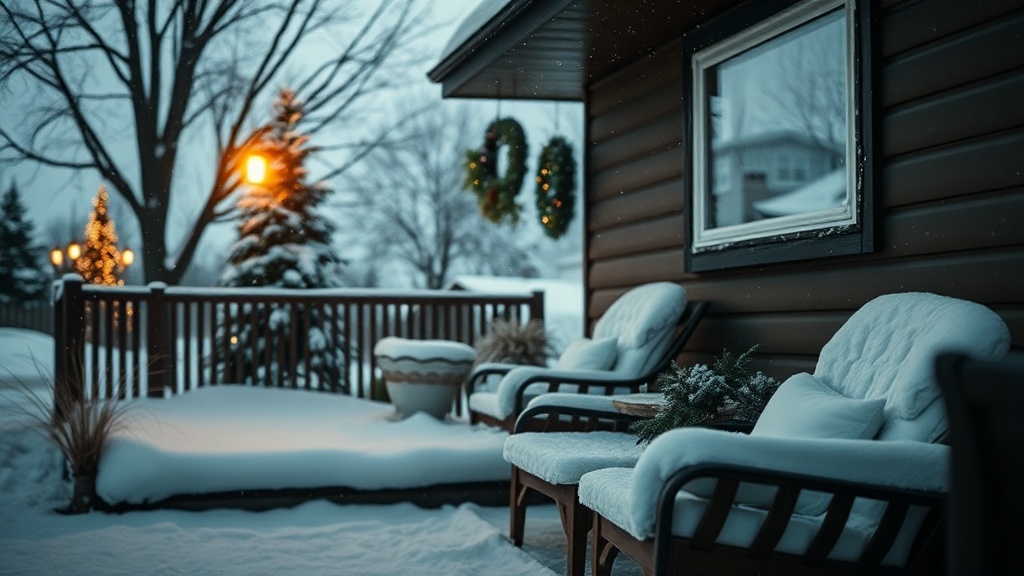
Preparing Your Home for a Grande Prairie Winter

What can you do to protect your home from the cold?
This guide covers the practical steps you need to take to keep your Grande Prairie residence warm and functional when the temperature drops well below zero. We'll look at interior heating, insulation, and exterior maintenance to ensure your house stays safe during our long Alberta winters.
Living in Grande Prairie means we don't get many breaks from the cold. When the wind picks up across the Peace Country, even a small gap in a window seal can lead to a massive spike in your heating bill. We've seen many neighbours struggle with unexpected high costs simply because they didn't prepare their homes for the seasonal shift. By focusing on a few key areas—insulation, plumbing, and exterior access—you can keep your household comfortable and avoid the stress of a mid-winter emergency.
First, let's talk about the furnace. In our community, the furnace is the heart of the home. You should check your furnace filter every single month. A clogged filter makes the system work harder, which is the last thing you want when we hit a -30°C cold snap. If you're feeling a draft in certain rooms, it might be time to look at your baseboard heaters or even the vents in your basement. Small adjustments here can make a big difference in how warm your living room feels.
Where can I find better insulation for my windows?
Drafty windows are a common headache in Grande Prairie neighbourhoods like Avondale or O'Brien Lake areas. You don't necessarily need to replace every window to see an improvement. Many of us use weatherstripping or even simple plastic window kits to seal up the edges. These kits are inexpensive and can be found at local hardware stores. If you notice ice forming on the inside of your window panes, that's a clear sign that heat is escaping and cold air is creeping in. Addressing this before the deep freeze hits is a smart move.
Don't forget the doors, too. A heavy-duty door sweep can stop the wind from whistling through the bottom of your entrance. If you have a garage attached to your house, ensure the door is weather-tight. We've noticed that many unheated garages in Grande Prairie become much colder than the house, which can actually pull heat away from your living spaces if the seal isn't tight. Keep an eye on the garage door seals every autumn to avoid this.
How do I prevent frozen pipes during a cold snap?
Frozen pipes are a nightmare that no one wants to deal with, especially when you're stuck at home. To prevent this, identify any pipes that run through unheated spaces like a crawlspace or an attached garage. You can wrap these in foam insulation sleeves. If you're heading out for a long weekend and leaving the house empty, it's a good idea to leave a faucet dripping slightly. This keeps the water moving and prevents ice from forming in the line.
| Area to Check | Action Required | Frequency |
|---|---|---|
| Furnace Filter | Replace/Clean | Monthly |
| Window Seals | Inspect for drafts | Once a Season |
| Outdoor Faucets | Disconnect hoses | Once a Year |
| Exterior Drip Taps | Insulate/Drain | Before First Frost |
Another crucial step is the outdoor faucet. If you still have a garden hose attached to your outdoor tap, take it off immediately. Leaving a hose connected can actually cause the water to back up and freeze inside the pipe, which is a leading cause of burst pipes in Grande Prairie homes. Most of us use a cover for our outdoor taps, but make sure it's a high-quality insulated cover, not just a piece of fabric.
Is there a way to manage snow around my property?
Snow management in Grande Prairie isn't just about shoveling; it's about safety. As the snow piles up, ensure you are clearing paths around your furnace vents and dryer vents. If snow blocks your furnace exhaust, it can create a dangerous situation for your heating system. We've seen cases where heavy snowfall has blocked ventilation, leading to carbon monoxide concerns. Always keep a clear radius around your home's utility-related vents.
Also, keep an eye on your gutters. If they get clogged with ice and snow, the weight can damage your roofline or cause water to back up under your shingles. In our local climate, the freeze-thaw cycle is very aggressive. When the sun comes out for a brief afternoon, the snow melts, only to freeze solid again at night. This creates heavy ice dams. Using a way to clear your gutters or ensuring your downspouts are directed away from your foundation will save you a lot of trouble in the long run.
For more information on local weather patterns and how they affect residential construction, you can check the Environment Canada website. Staying informed about upcoming cold fronts is part of being a prepared resident of the Peace Country. If you're looking for more local community updates, keep an eye on the Grande Prairie Regional Chamber of Commerce for local business news and community announcements.
Taking these steps might feel like a chore, but it's much easier to do them in October or November than it is in the middle of a January blizzard. Your home is your sanctuary, and a little bit of prep work goes a long way in keeping it a comfortable place for you and your family.